
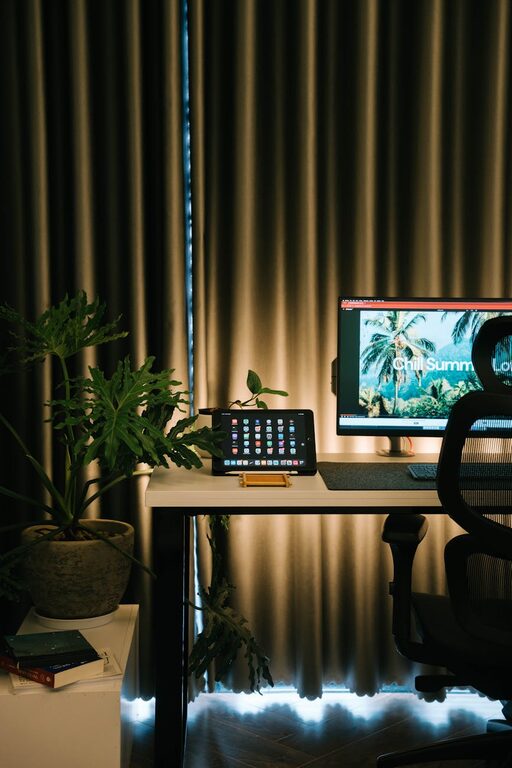
Creating a relaxing home office environment is essential for maintaining focus, reducing stress, and making your workday more enjoyable. Whether you’re working remotely full-time or just need a dedicated space for occasional tasks, a calm and organized workspace can have a big impact on your productivity and well-being. This guide offers practical tips to help you design a home office that promotes relaxation and efficiency.
Why a Relaxing Home Office Matters
A peaceful workspace helps you stay concentrated and energized throughout the day. When your office feels cluttered or uncomfortable, it can increase stress levels and lead to distractions. On the other hand, a thoughtfully arranged and inviting office promotes positive mood, creativity, and better work performance.
Choose the Right Location
Find a Quiet Spot
Start by selecting a space in your home that is as quiet as possible. Avoid high-traffic areas or places near loud appliances. If you don’t have a separate room, consider using room dividers or screens to create a sense of privacy.
Natural Light is Key
Position your desk near a window to take advantage of natural light. Exposure to daylight helps regulate your body clock and improves mood. If natural light is limited, invest in good quality daylight-mimicking lamps.
Invest in Comfortable Furniture
Ergonomic Chair and Desk
Comfort is a priority. Choose an ergonomic chair that supports your back and encourages good posture. Your desk should be at a comfortable height to avoid strain on your wrists and shoulders.
Flexible Layout
If space allows, create different zones within your office—such as a dedicated area for computer work, another for reading or planning, and a corner for relaxation or stretching. This helps reduce monotony and enhances comfort.
Keep Your Space Organized
Declutter Regularly
A cluttered desk can lead to a cluttered mind. Keep only essential items on your workspace and put away non-essential materials. Use organizers, filing cabinets, or shelves to store important documents neatly.
Use Storage Solutions
Invest in storage boxes, drawer organizers, and cable management tools to keep cords and supplies out of the way. Labeling your storage can save time and keep everything easily accessible.
Add Personal Touches Mindfully
Plants for Freshness
Indoor plants add a splash of green and improve air quality. Choose low-maintenance plants like succulents or spider plants. They create a calming effect without requiring much care.
Art and Decor
Decorate your office with artwork or items that inspire you. Avoid overly bright or busy patterns. Calm colors such as soft blues, greens, or neutrals can create a soothing atmosphere.
Scent and Sound
Consider adding subtle scents like lavender or eucalyptus through candles or essential oil diffusers to promote relaxation. Background music or ambient sounds, such as nature recordings, can also help reduce stress and improve concentration.
Optimize Lighting and Temperature
Adjustable Lighting
Use adjustable desk lamps to control the amount of light you have, reducing eye strain during detailed work. Avoid harsh overhead lighting; a combination of natural and soft artificial lighting works best.
Maintain Comfortable Temperature
Make sure your office stays at a comfortable temperature. Use fans or heaters as needed to maintain an environment that’s neither too hot nor too cold, as discomfort can impact your focus.
Establish Boundaries and Routine
Set Work Hours
Define specific work hours and stick to them. This helps create a mental boundary between work and personal time, reducing stress and preventing burnout.
Take Breaks
Take regular breaks to stand, stretch, or walk around. Incorporate short relaxation techniques such as deep breathing or simple meditation to recharge your mind.
Use Technology Wisely
Minimize Distractions
Turn off unnecessary notifications and create “focus time” settings on your devices to limit interruptions during working hours.
Invest in Quality Equipment
Good-quality hardware, like a reliable computer, keyboard, and mouse, can reduce frustration and physical strain, helping you stay relaxed and productive.
—
Creating a relaxing home office environment doesn’t have to be complicated or expensive. By focusing on comfort, organization, and personal touches, you can design a space where you feel motivated and relaxed. Implementing these practical tips will help you maintain a healthy work-life balance and enjoy your time spent working from home.